Section 75 of 80 · Print pages 294–296
Ten Tips for Life at the Monastery
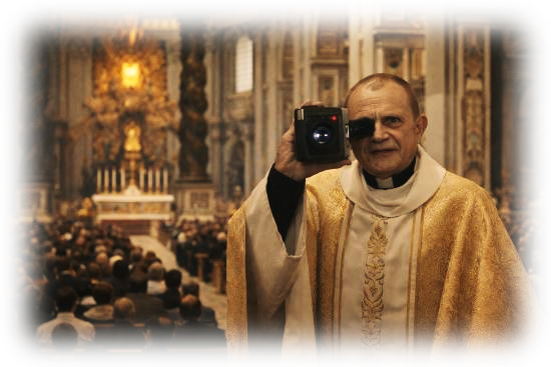
If you arrive at the Holy Cross Priory in the middle of the night, and the door-answering monk looks annoyed, i.e. ‘You’re not the first wild-eyed seeker to arrive during our few crucial hours of restful sleep, ’ then appreciate his begrudging unlocking of a shabby office and his peevish pointing towards the couch you can sleep on.
One: If the monastic intake process involves far more paperwork and OHIP forms and the general signing of your life away than the Walking the Mystic Path podcast led you to believe, figure that’s simply the state of contemporary organizational liability theory.
Two: Wake at 4 a.m. Recite prayers. Read psalms. Eat breakfast. Desire a fattier breakfast. Express a low enthusiasm for starch. Desire a beer, preferably served to you at a strip club.
Three: Do Lectio Divina-style meditation all damn day. Feel some peace, perhaps.

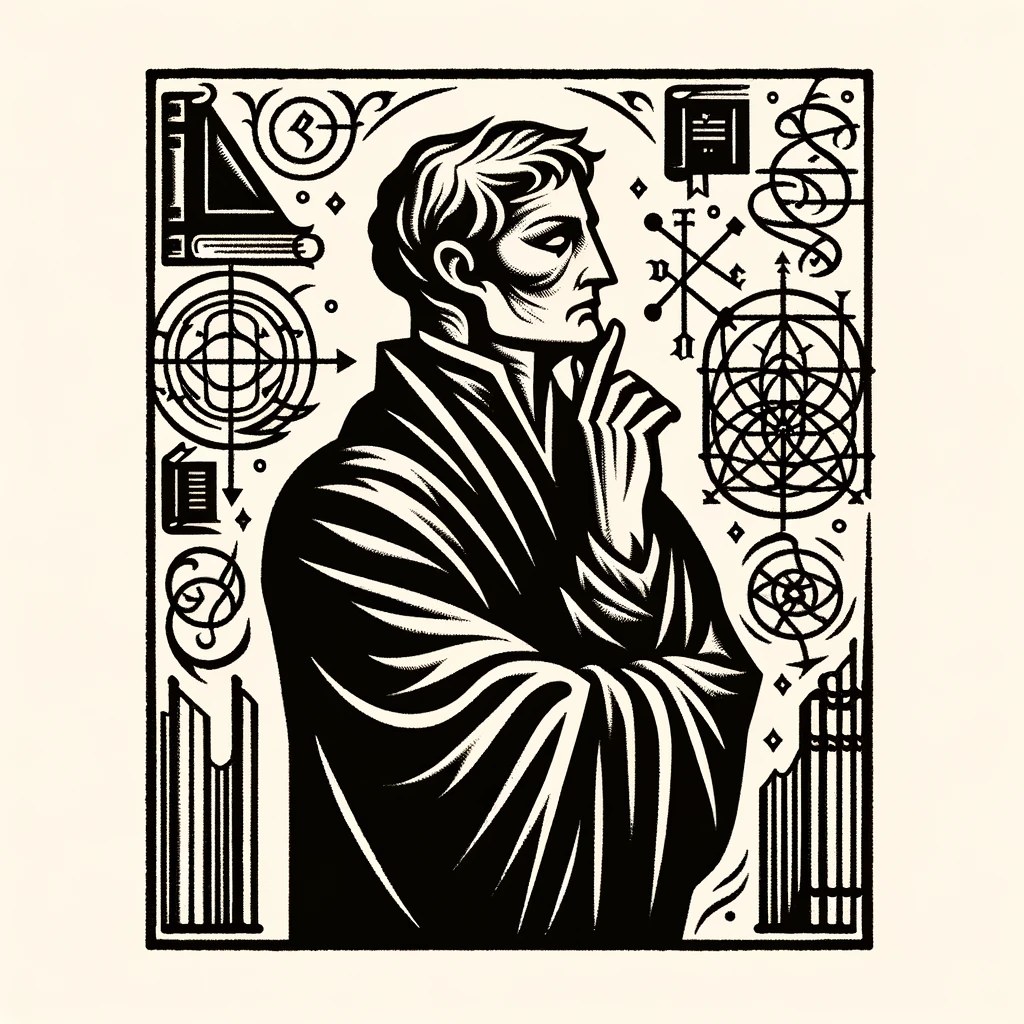
Four: Recite prayers with your fellow cenobites. Practise infused contemplation, defined by Merton as “a gift of God that absolutely transcends all the natural capacities of the soul and which no man can acquire by any effort of his own. ”
Five: Scrub toilets and things. Recite more prayers with fellow neophyte cenobites. Train rookie cenobites on how to prepare the morning rice mush.
Six: After reading The Interior Castle by Teresa of Ávila, flex on the alpha monastics by claiming you’re sturdily located in the fifth castle since you’ve realized that imagination and understanding are not the same thing, but you appreciate how they could assume you’re still in the fourth castle.
Seven: If the alpha monastics flex back by means of mere silence, know by the look in Friar Gene’s eyes that knowing things is such a pathetically nascent stage.

Eight: Right on schedule, endure the dark night of the soul, for as you improve at Lectio Divina, you’ll realize just how much of your life has been lost to lexical divining. You the graphomaniacal Knight of Faith with your thesaurus and Wikipedia as divining rod, moving your pareidoilies about the coffee table of symbology with the strategic foresight of a Gracehopper and all the agency of a pong paddle.
Nine: Get bummed out upon realizing your satisfactions and dissatisfactions were equally unreal. And as Merton writes in What is Contemplation: Infused contemplation, then, sooner or later brings with it a terrible interior revolution. Gone is the sweetness of prayer. Meditation becomes impossible, even hateful. Liturgical functions seem to be an insupportable burden. The mind cannot think. The will seems unable to love. The interior life is filled with darkness and dryness and pain. The soul is tempted to think that all is over and that, in punishment for its infidelities, all spiritual life has come to an end.
Ten: Experience emotional, complexional, and gastrointestinal trials. Realize why the monks in the YouTube monk videos look so forlorn all the time: not because they miss chicken wings and the NBA playoffs and GIFs of heaving celebrity cleavage as you’d presumed, but because they’ve learned that Brie Larsen’s breasts, buzzer-beating Kawhi Leonard baskets, and ideal breading are without meaning. The monks are so forlorn because they have traded in all that meaning for even a glimpse of meaning.